
"visual coffee grading"
500 article(s) found

Italy motta top Teflon coated special type flower cup pull vat milk can milk foam cup
Brand: MOTTA Color Classification: White Teflon 500cc White Teflon Black Teflon 500cc Black Teflon 750ml Netherlands Orange 500cc Red Teflon 350ml Red Teflon 500ml Orange Teflon 350ml Red Teflon 750ml Orange Teflon 750ml White Teflon Black Teflon 350cc material: precious metal professional grade medical stainless

Does Ethiopia's single bean taste good? the planting and processing of Ethiopia's single bean
Communication of professional baristas Please follow the coffee workshop (Wechat official account cafe_style) at present, there are two main indicators in Ethiopia's coffee grading and quality control system: visual inspection and cup evaluation, inspection items include the color, cleanliness, origin, taste and characteristics of coffee beans. The export rating is marked with a simple number, the best washed coffee is grade 5, and the best sun-cured coffee

Latte coffee beans how much is it to make lattes? what are the characteristics of fine coffee beans lattes?
Italian lattes require a small espresso and a cup of milk. Lattes contain more milk and less coffee. The latte is as simple as pouring nearly boiling milk into a freshly made espresso. A typical latte consists of 1/3 espresso Espresso and 2/3 steamed milk, usually without foam.

Introduction to the Grinding degree of Geographical characteristics and Flavor description in Sidamo, Ethiopia
Ethiopian Coffee Flavor description characteristics of Grinding Variety introduction in Ethiopia, coffee grading and quality control system is divided into three levels: producer, regional and national. All coffee is inspected by local inspection agencies before leaving the country of origin, and then re-tested at the coffee inspection and grading centers in Addis and Diredawa to determine its quality grade. Coffee is at auction and

Introduction to the taste of Ethiopian coffee beans with chocolate flavor
Why Ethiopian coffee beans have the characteristics of chocolate varieties in Ethiopia, the grading and quality control system of coffee is divided into three levels: producer, regional and national. All coffee is inspected by local inspection agencies before leaving the country of origin, and then re-tested at the coffee inspection and grading centers in Addis and Diredawa to determine its quality grade. Coffee

Acidity and texture introduction to the characteristics of Coffee Flavor Manor in Xidamo Shaqiso producing area
In Ethiopia, the grading and quality control system of coffee is divided into three levels: producer, regional and national. All coffee is inspected by local inspection agencies before leaving the country of origin, and then re-tested at the coffee inspection and grading centers in Addis and Diredawa to determine its quality grade. Coffee is graded before auction and sale, for all involved in production, acquisition,

Flavor description of Sidamo Lion King Coffee beans introduction of Grinding scale varieties and Taste Manor
Sidamo Lion King Coffee Bean Flavor description Grinding scale varieties taste Manor introduction before 1974, the production, processing and trading rights of coffee were in private hands. During the military administration, private farms were nationalized and smallholder coffee producers were snubbed. In 1991, the Ethiopian Transitional Government issued a new economic policy to encourage private businessmen to export coffee. Result,

Introduction to the planting environment of Ethiopian coffee
Due to different planting methods, coffee can be divided into three types: forest-semi-forest coffee (Forest or semi-forest coffee), courtyard coffee (Garden coffee) and plantation coffee (Plantation coffee). 60% of the coffee belongs to forest-semi-forest coffee. In such a wild coffee forest, pesticides are not used at all, but biological methods are used to control pests. 35%

Neiba production area, Baoluko, Dominica | Barajona Novi family iron pickup, Kaddura
Professional coffee knowledge exchange more coffee bean information please follow the coffee workshop (Wechat official account cafe_style) Dominica Baoluko Neiba production area | Barahona Novi family tin truck, Kaddura hand recommendation? After the Novis family emigrated to Neiba, they continued to plant Tibica for three consecutive generations. Coffee from the Neba region is found in Baraona and Baraona in the Baoluko Mountains.

What are the types of coffee treated by natural washing
Natural washing coffee 1, choose beans: put the harvested fruit in the water tank, the ripe fruit will sink, while the unripe and overripe fruit will float up and can be removed. 2, drying: put the selected ripe fruit in the square for 5-6 days until it is fully dry. At this time, the fruit becomes dark brown, with a moisture content of 13% 3, shelled: after drying

The preparation of several kinds of coffee
List the preparation methods of centralized coffee:

The finals of the 2018 World pull Flower Art Competition in China, the competition rules and pre-competition preparation
Professional coffee knowledge exchange more coffee bean information Please follow the coffee workshop (Wechat official account cafe_style) talk about coffee flower, which should be the first reason why many coffee lovers and even baristas fall in love with coffee. Maybe he accidentally saw a flower-pulling show and fell in love with it, and then fell in love with coffee. Coffee pull is not only in terms of visual appreciation.

Ethiopian Coffee Manor Flavor Description Grindness Taste Characteristics Boutique Coffee Introduction
Ethiopian coffee grade: Ethiopian washed coffee Yirgacheffe G1 G2 Sidamo (Yirgacheffe, Sidamo) the highest grade is second and third grade (G2, G3), the eastern part of Ethiopia sun processing coffee is mostly fourth or fifth grade (G4, G5). In many cases, fourth-grade coffee is labeled as five-grade in order to reduce taxes. The current classification is not very uniform, there are

Ethiopian Coffee Flavor Taste Manor introduces Ethiopian Coffee Brands
In Ethiopia, the grading and quality control system of coffee is divided into three levels: producer, regional and national. All coffee is inspected by local inspection agencies before leaving the country of origin, and then re-tested at the coffee inspection and grading centers in Addis and Diredawa to determine its quality grade. Coffee is graded before auction and sale, for all involved in production, acquisition,

Ethiopian boutique coffee introduces the taste characteristics of Ethiopian coffee Ethiopian coffee
Although the Ethiopian Yirgacheffe coffee is petite, it is gentle and delicate and sweet. As the hometown of coffee, thousands of years of planting history and processing tradition in Ethiopia have created high-quality washed Arabica beans. Light baking has unique sweet aromas of lemon, flowers and honey, soft acidity and citrus flavors, fresh and bright on the palate. Without

The characteristic flavor and taste of Manning coffee beans describe how Manning brews coffee by hand.
Professional coffee knowledge exchange more coffee bean information Please follow the coffee workshop (Wechat official account cafe_style) friends who have come into contact with Manning series raw beans should know more or less that Manning raw beans have a special feature: green, clear, less silver skin, full, stout beans let people see for the first time

Ethiopia, the largest producer of coffee in Africa.
Coffee grading and quality control system in Ethiopia, coffee grading and quality control system is divided into three levels: producer, regional and national. All coffee is inspected by local inspection agencies before leaving the country of origin, and then re-tested at the coffee inspection and grading centers in Addis and Diredawa to determine its quality grade. Coffee is graded before auction and sale

Boutique Coffee introduced by Manors in Sidamo Coffee Bean producing area of Ethiopia
Due to different planting methods, coffee can be divided into three types: forest-semi-forest coffee (Forest or semi-forest coffee), courtyard coffee (Garden coffee) and plantation coffee (Plantation coffee). 60% of the coffee belongs to forest-semi-forest coffee. In such a wild coffee forest, pesticides are not used at all, but biological methods are used to control pests. thirty-five

Ethiopian (mocha) coffee
The geographical environment of Ethiopia is very suitable for coffee growth. Mocha coffee is mainly grown in the southern highlands between 1100 and 2300 meters above sea level. The main coffee producing areas are Harar, Limu, Djimma, Sidamo, Kaffa, Yergacheffe and Wellega.
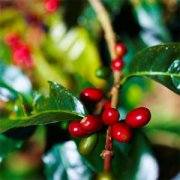
Acidity and texture A brief introduction to the characteristics of Coffee Flavor Manor in Xidamo Shaqiso producing area
According to the law, all coffee is sold through an auction held by Addis and DiRedawa. During the coffee harvest, such auctions are even held twice a day. In Ethiopia, the grading and quality control system of coffee is divided into three levels: producer, regional and national. All coffee must be inspected by the local inspection agency before leaving the producing area, and then in Asia.